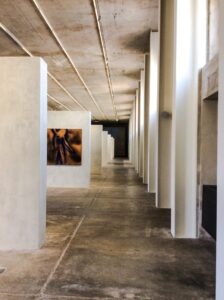
Everyone goes to Milan. Very few experience it well. During Milan Design Week, the instinct is to try to see everything, but that is the fastest way to miss what actually matters. This guide was not created to be exhaustive. It was built with the same approach we bring to design, with clarity, intention, and restraint.
Each day carries a point of view, and each movement across the city is deliberate. Every stop earns its place, creating a rhythm rather than a checklist. Brera for refinement and collectible design, Prada for scale and architectural weight, Alcova for raw experimentation, Tortona for immersive installations, and 5VIE for nuance and discovery. It moves between quiet and cinematic, precise and emotional, historic and forward-thinking, without backtracking, without filler, and without wasted energy. Just a curated sequence of spaces, ideas, and moments that stay with you long after the week ends.
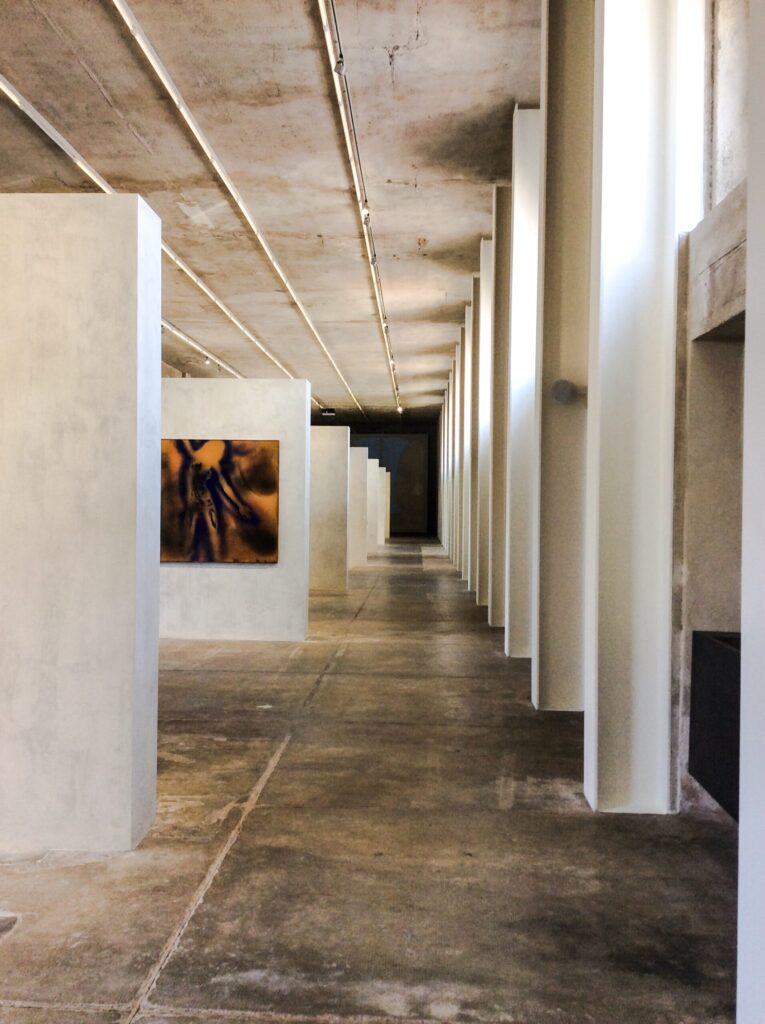
Day 1 – Brera Core
The refined introduction
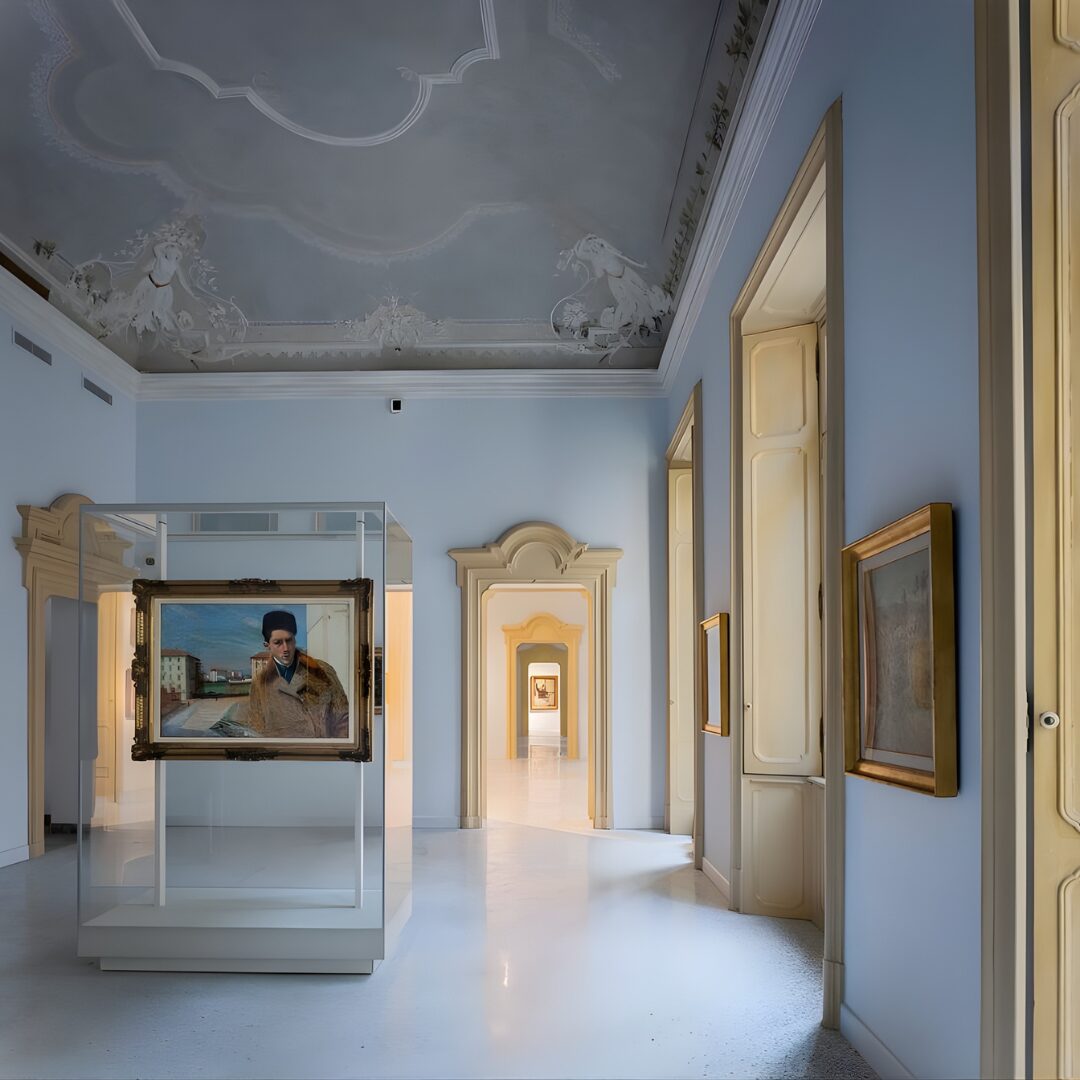
Brera sets the tone for the week through a more controlled and refined lens. This is where collectible design, craftsmanship, and material sensitivity come forward in a quieter, more deliberate way.
At Nilufar Gallery, the experience unfolds through layered interiors where each room feels carefully composed. Pieces are not simply displayed, they are placed in dialogue, creating a strong sense of narrative and balance.
Inside Palazzo Donizetti, Artemest translates Italian craftsmanship into a spatial experience. Materials, textures, and detailing are elevated through scale, allowing each element to be appreciated with clarity.
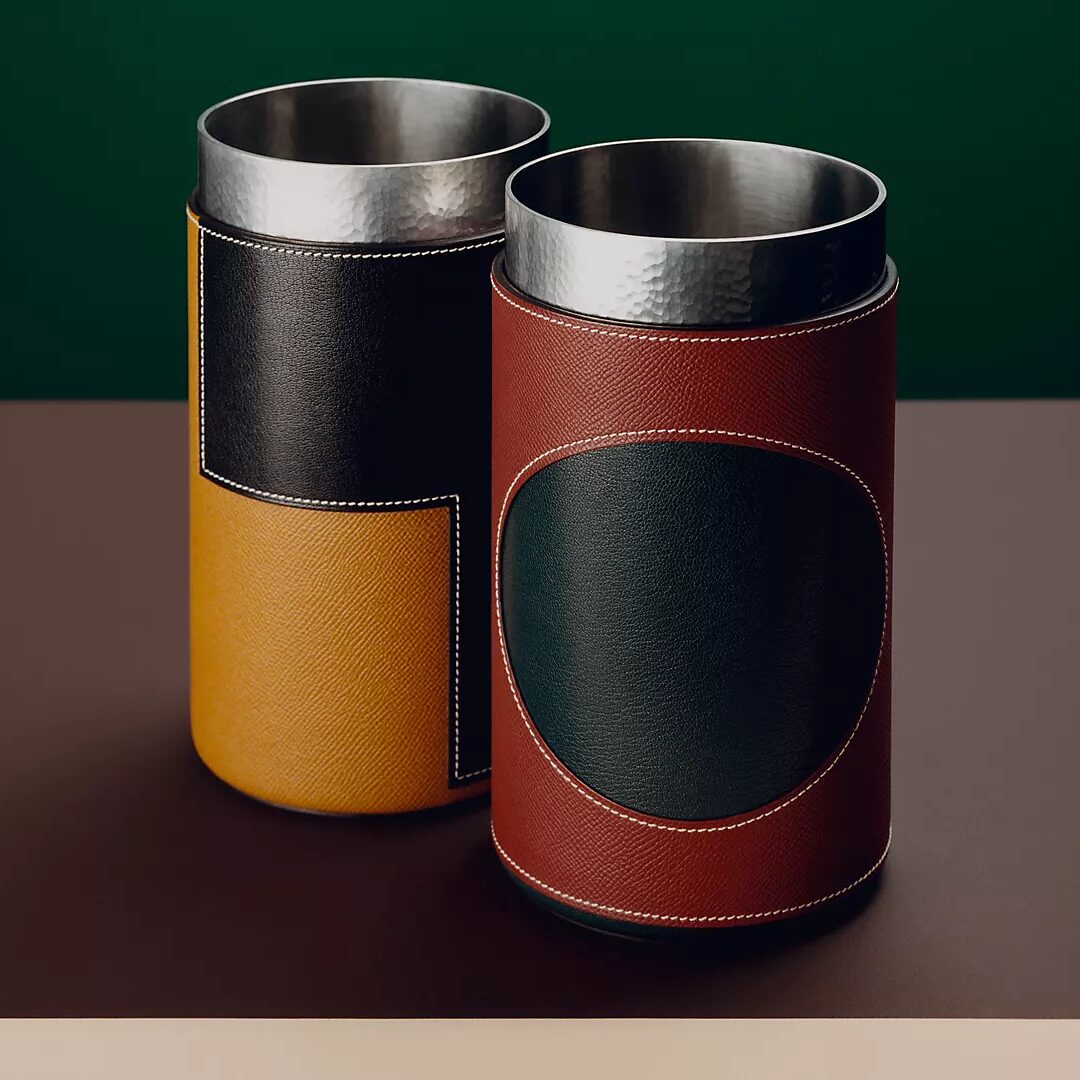
Hermès at La Pelota introduces a more restrained perspective. The installation is precise and intentional, focusing on proportion, material, and subtle gestures rather than excess.
Jil Sander and Apartamento present a minimal, tactile installation. A quiet dialogue between fashion and interiors.
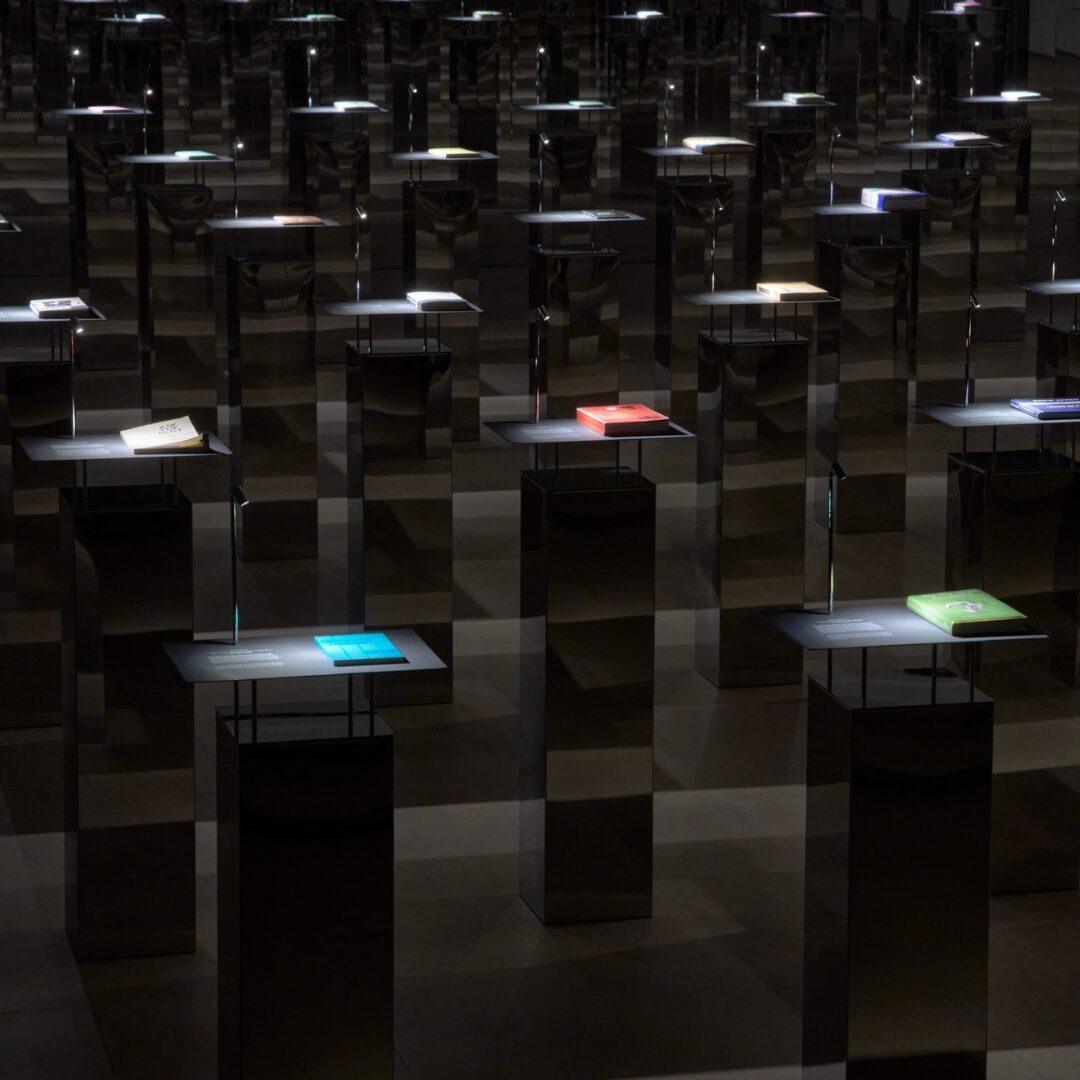
The 6AM Glass installations explore light and transparency through pieces that feel almost immaterial. Objects shift depending on how they are perceived, reinforcing a sense of lightness and ephemerality.
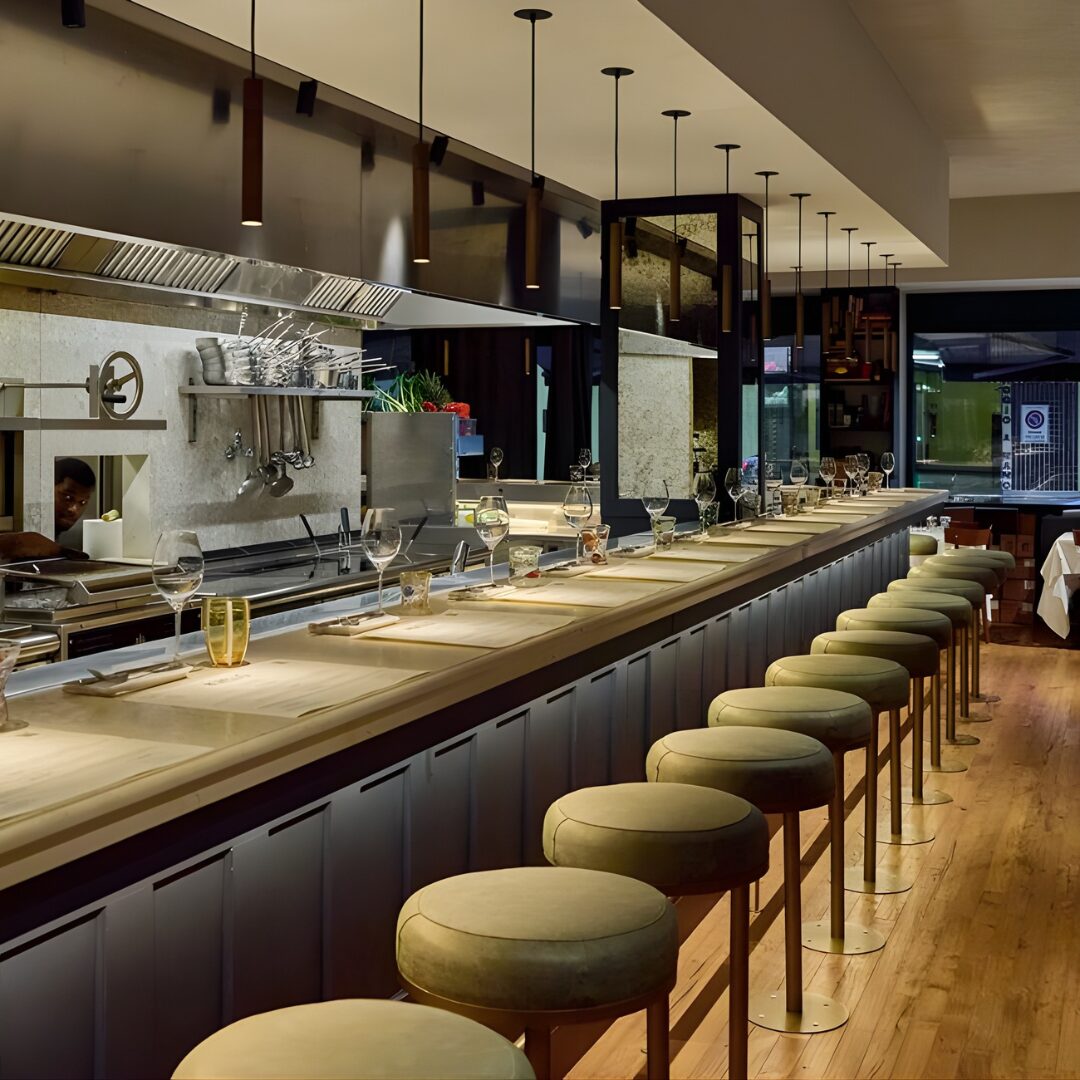
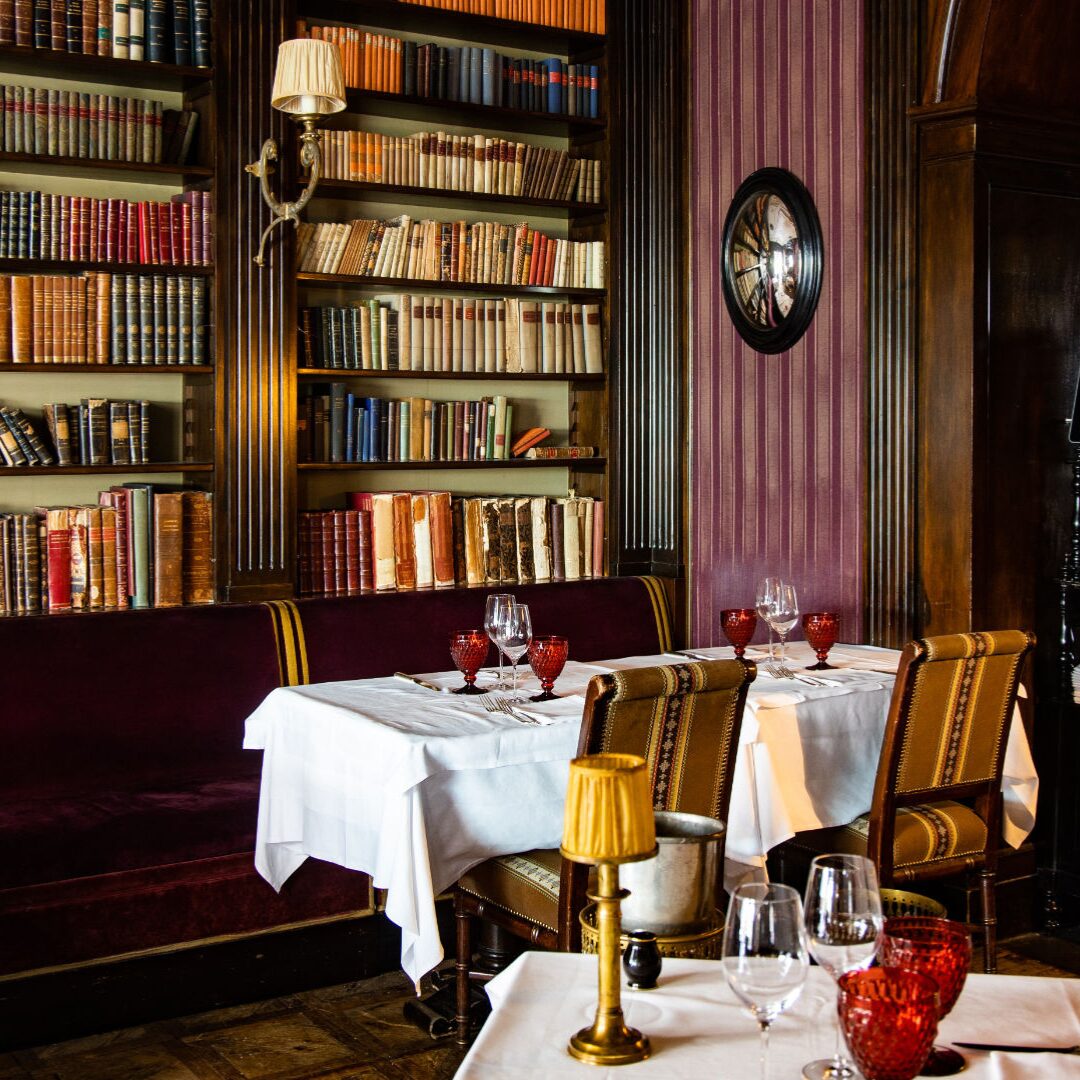
Dinner at Rovello, a classic Milanese bistro with a warm, lively atmosphere and a focus on well-executed, flavor-driven dishes.
This first cluster defines the pace of the week. Slower, more observant, and grounded in detail.
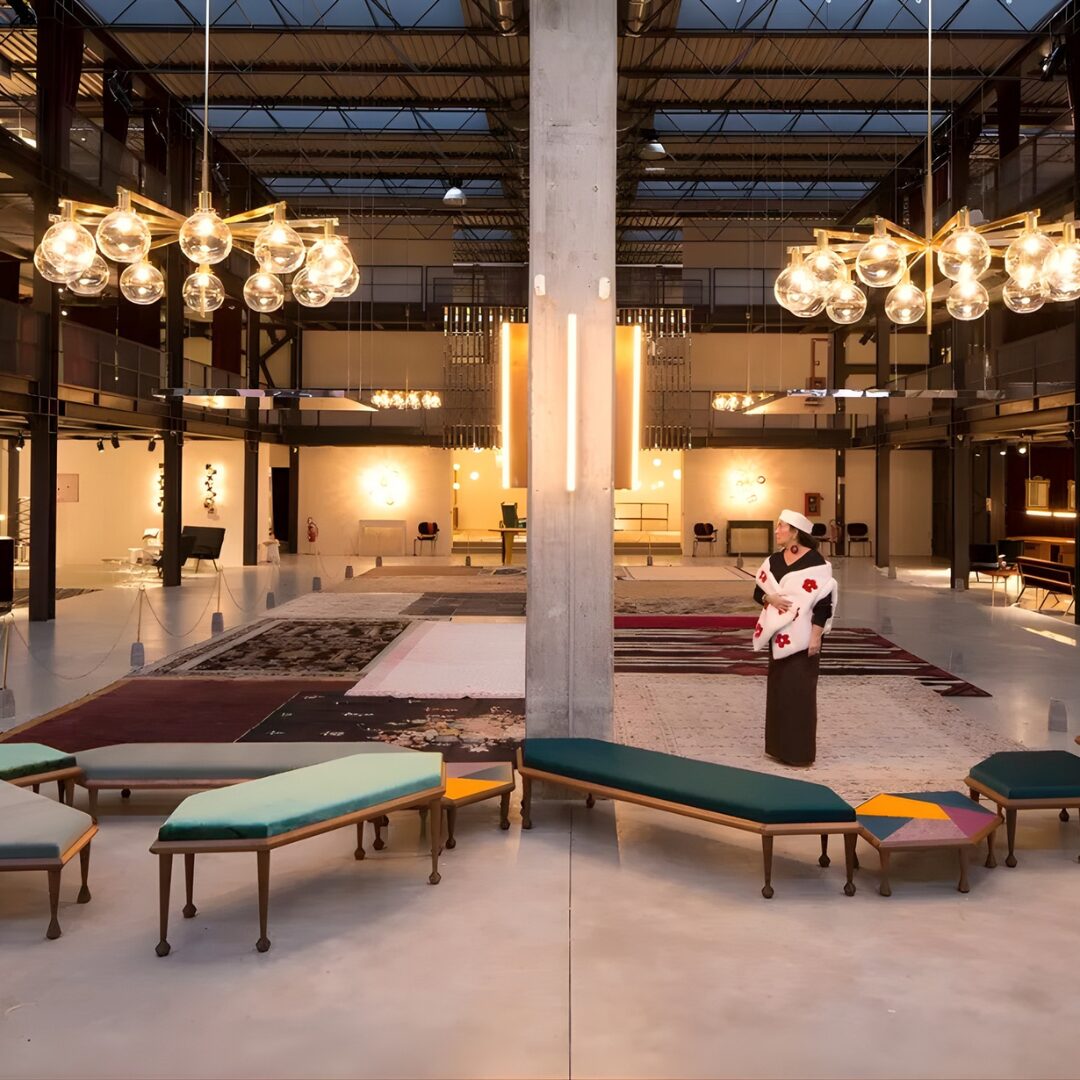
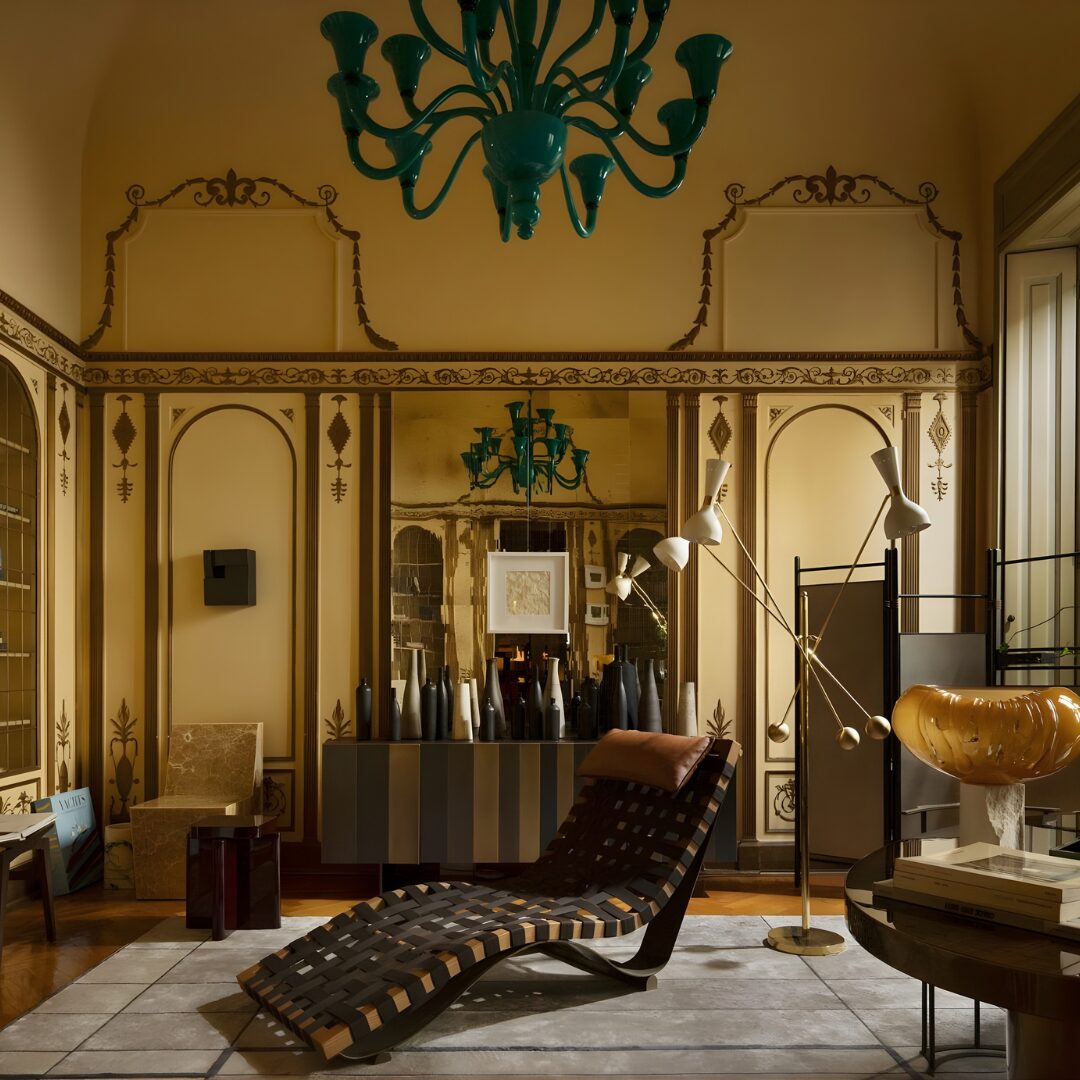
Day 2 – Prada Axis
Architecture and cultural weight
A shift in scale and narrative defines the second day, where architecture becomes the primary lens through which design is experienced.
Fondazione Prada anchors the day with monumental, cinematic architecture that explores contrast, proportion, and materiality in a highly controlled way.
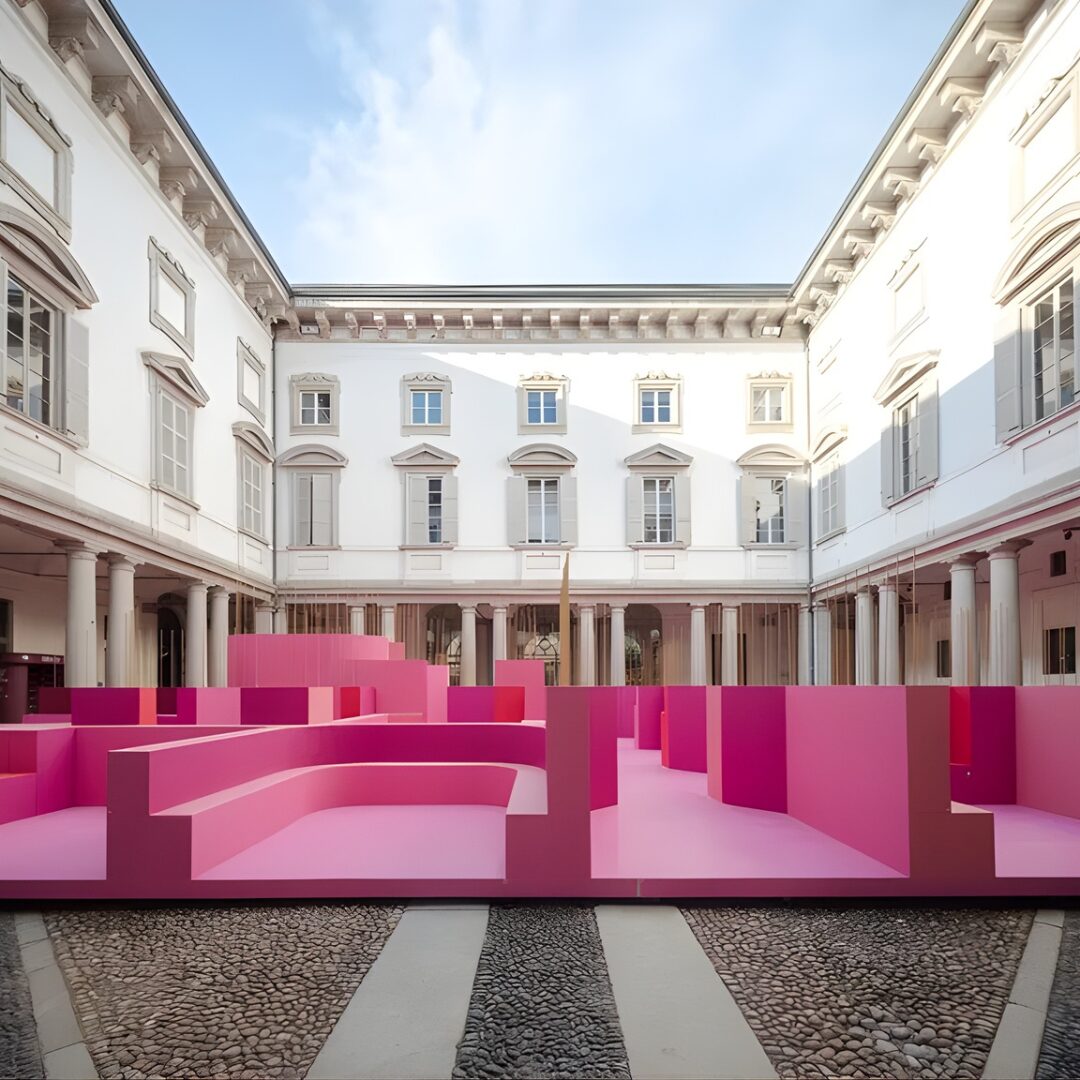
At Palazzo Litta, contemporary installations unfold within a historic framework, creating a dialogue between past and present, often centered around the courtyard.
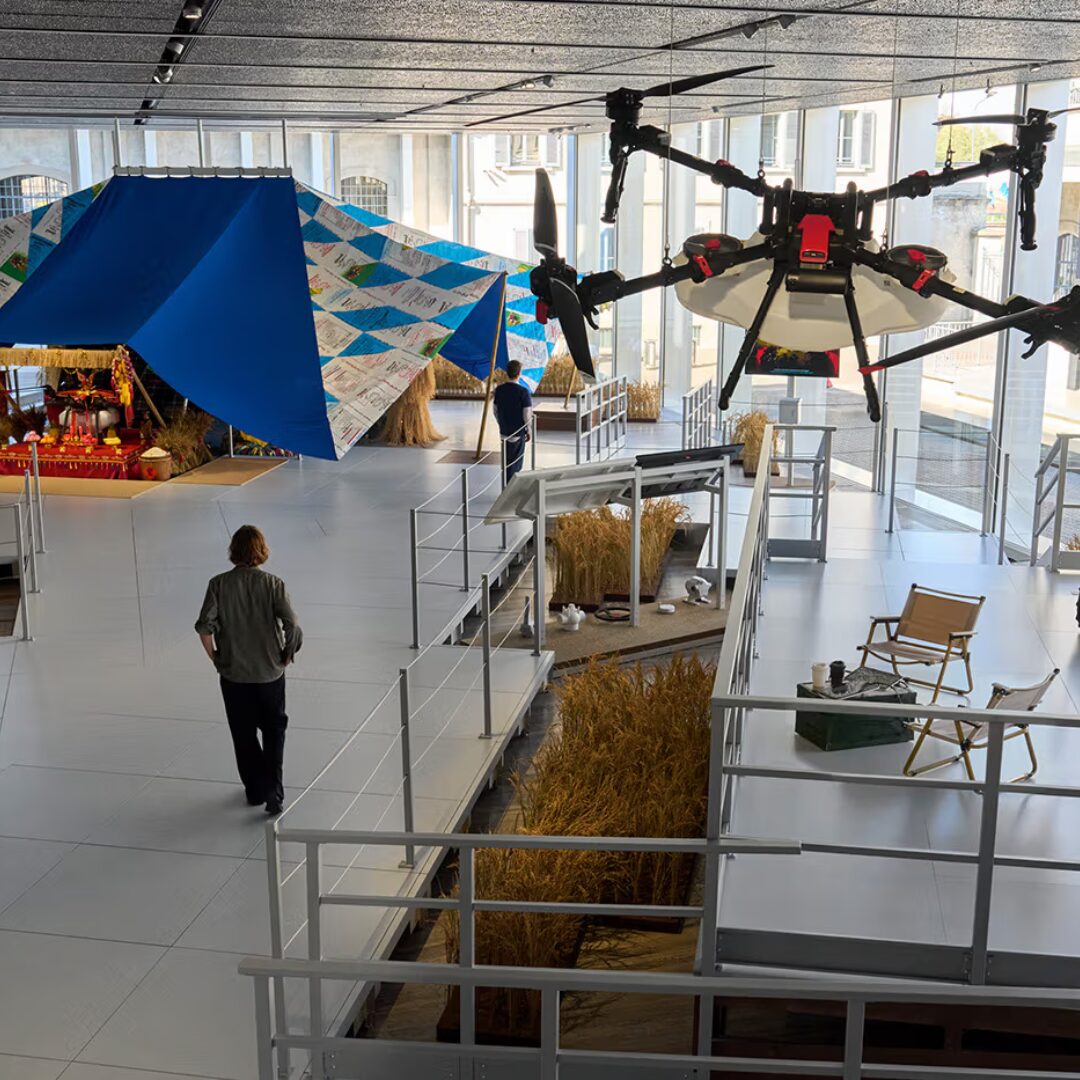
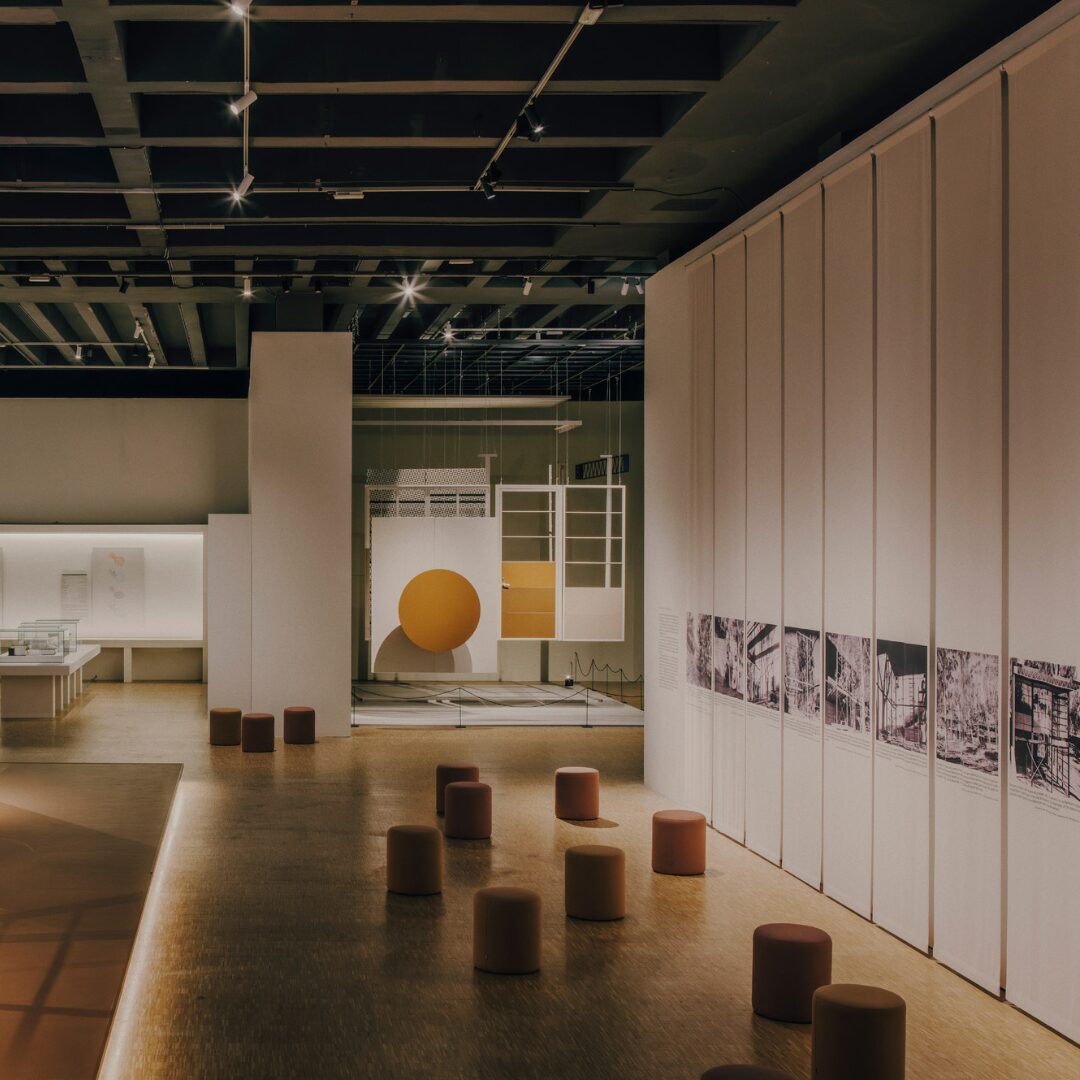
Triennale Milano offers a more institutional perspective, where exhibitions are curated with a stronger intellectual and cultural narrative.
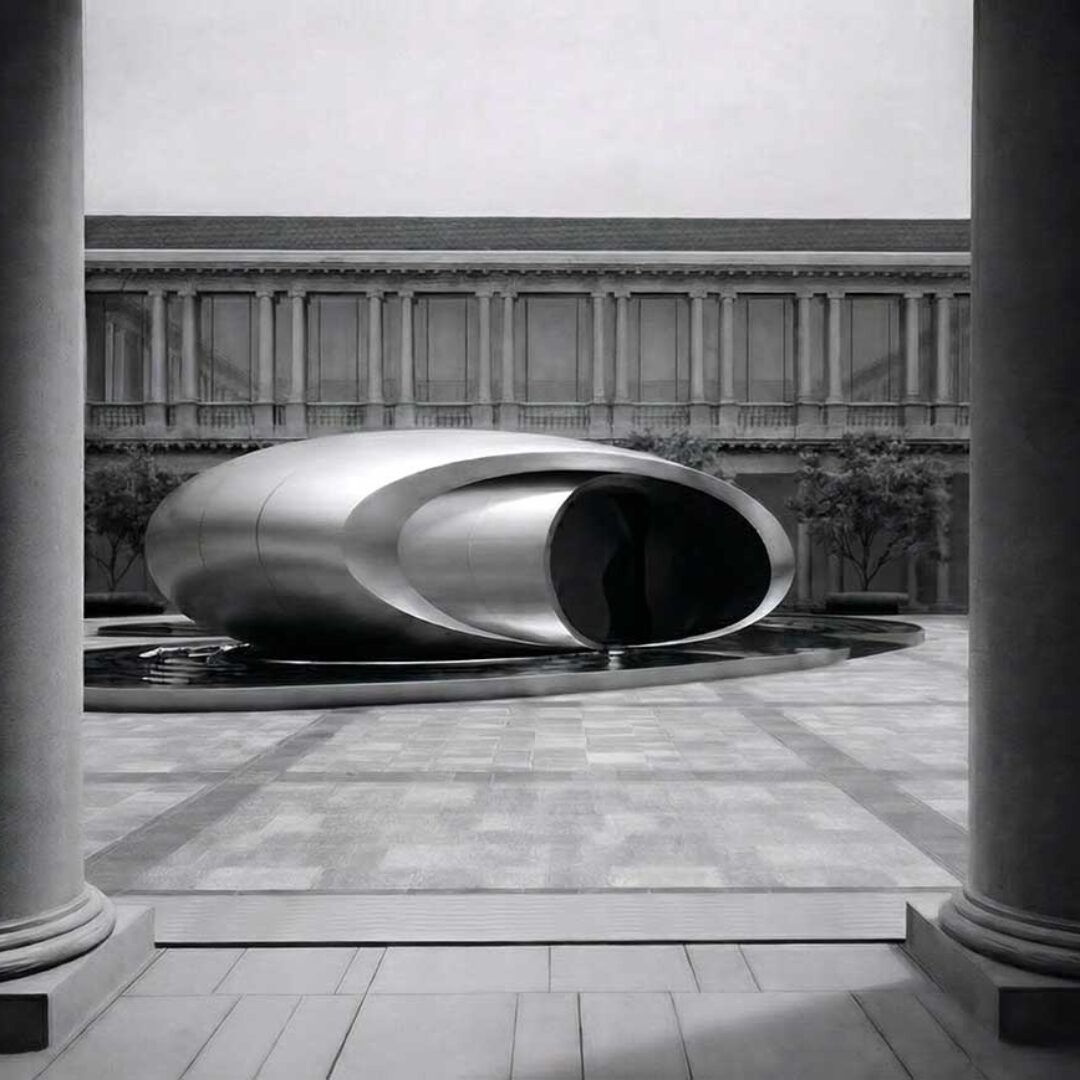
Installations by Zaha Hadid Architects introduce fluid geometries and parametric forms, adding movement and visual intensity to the experience.
Dinner at Giacomo Bistrot, an elegant Milan classic known for its refined Italian cuisine and timeless, softly lit interiors.
This is a day defined by structure and scale, where architecture becomes both context and content.
Day 3 – Alcova
Raw, experimental, essential
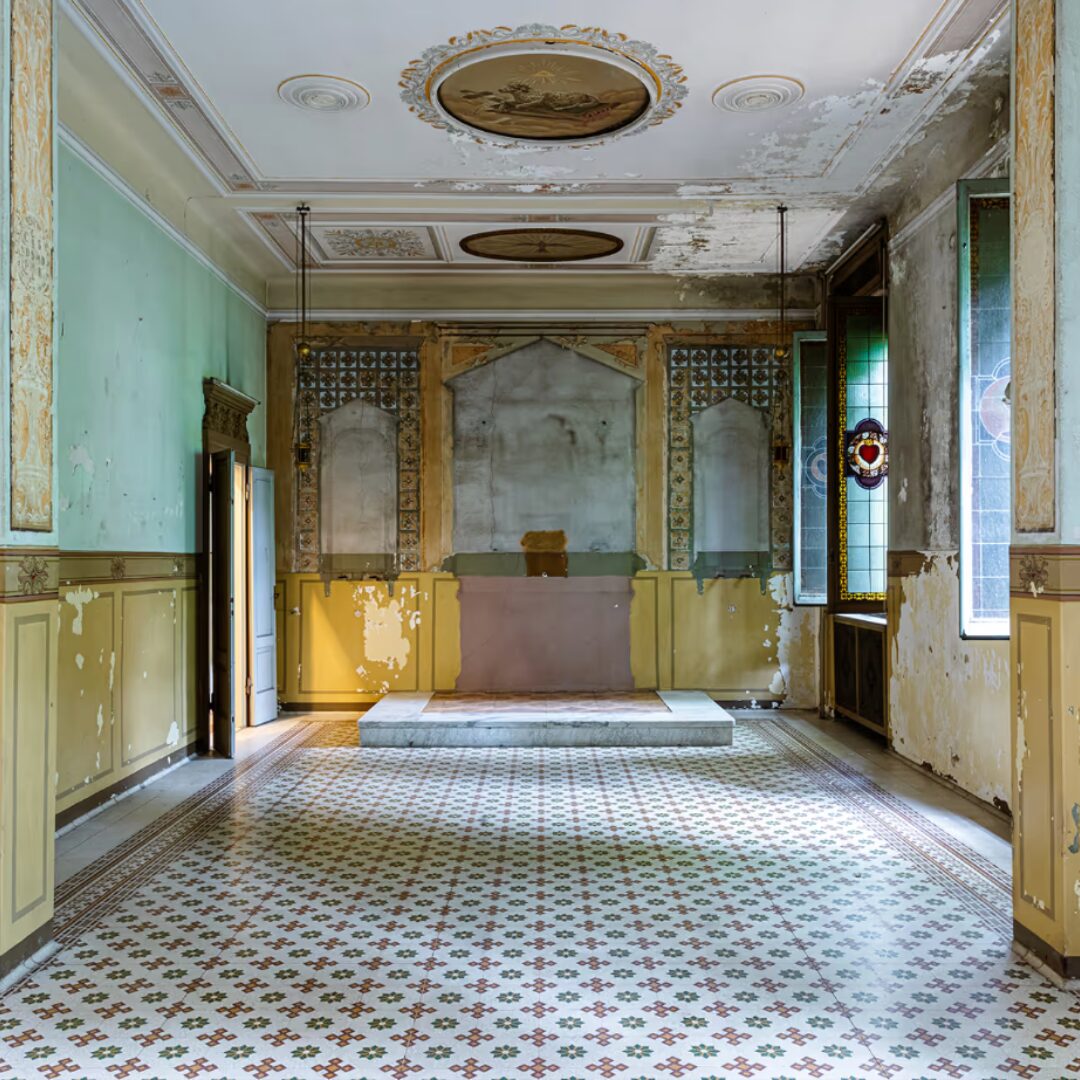
The atmosphere shifts into something more raw and experimental, where design is less resolved and more exploratory.
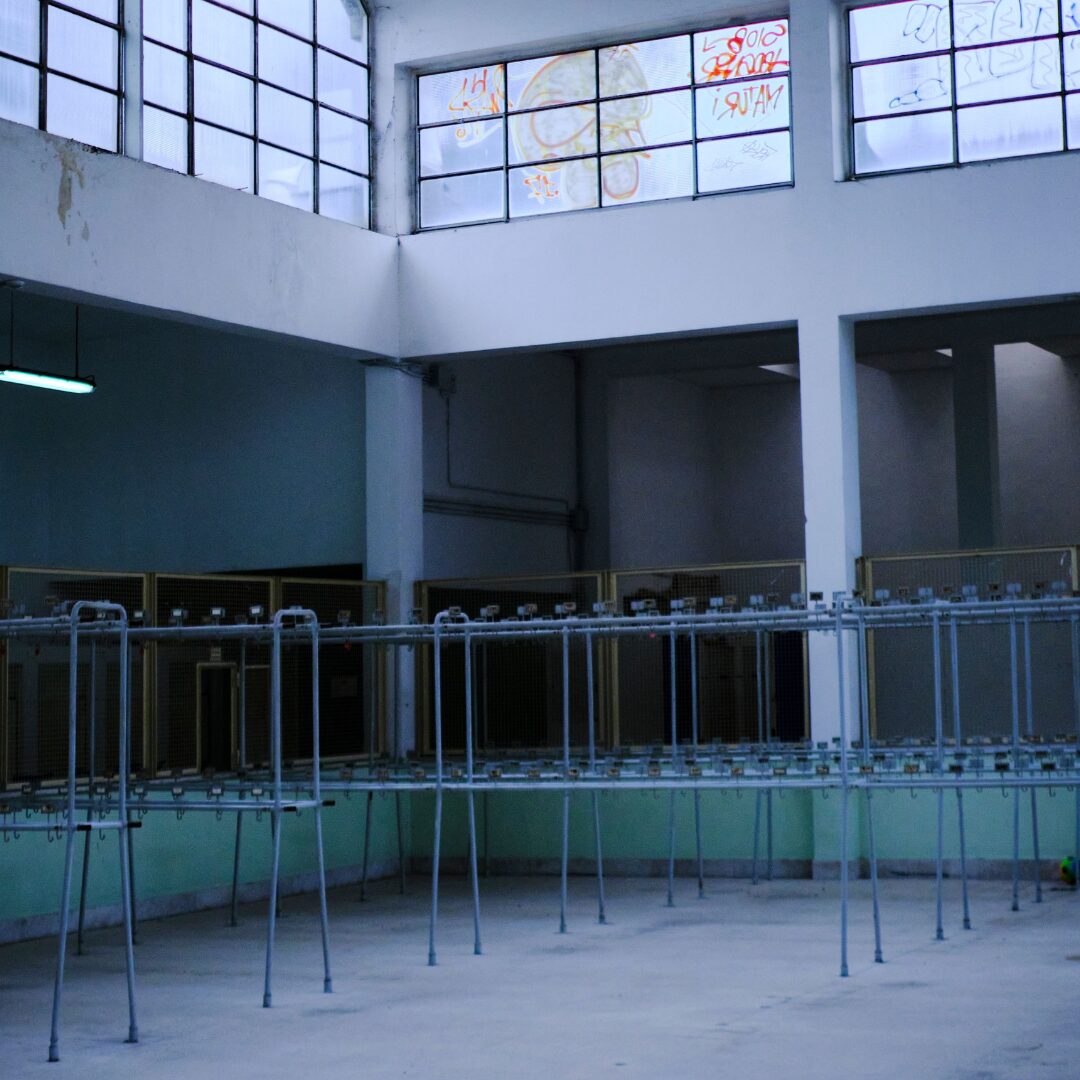
Alcova takes over two locations this year: Baggio Military Hospital and Villa Pestarini, an iconic Milanese building, where decay, texture, and imperfection become part of the narrative.
It’s the perfect way to discover emerging talent, alongside a few established names.
Installations here often focus on material research and emerging practices, with a strong emphasis on contrast and unexpected spatial compositions.
Dropcity adds another layer through its underground, industrial setting, offering a research-driven approach with a strong architectural presence.
Dinner at Langosteria Montenapoleone, a sophisticated seafood restaurant celebrated for its high-quality ingredients and polished atmosphere.
This is where the edge of the week lives, defined by experimentation, tension, and new voices in design.
Day 4 – Tortona
Immersive and brand-driven
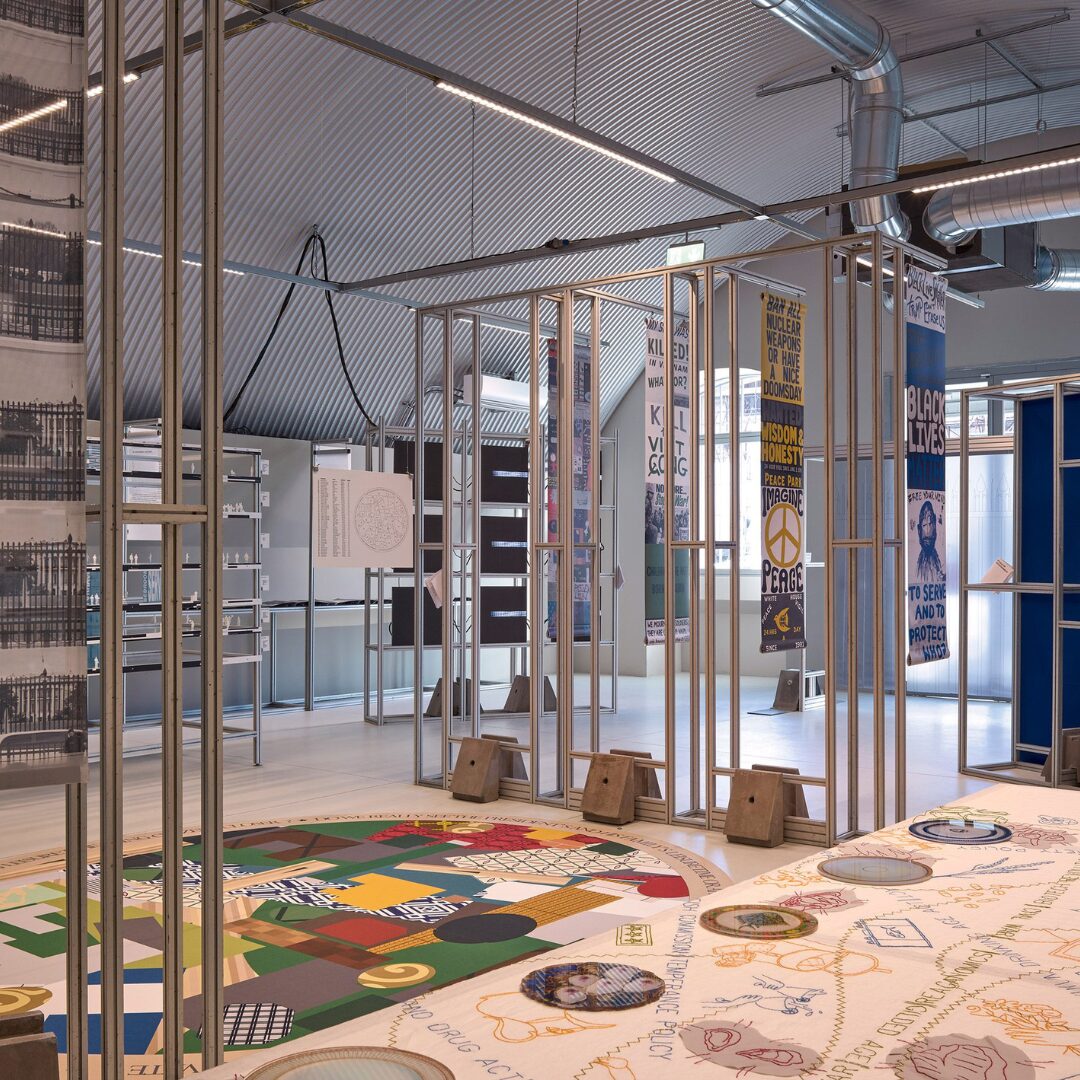
By the fourth day, the experience becomes more immersive and expressive, with large-scale installations driven by brands and storytelling.
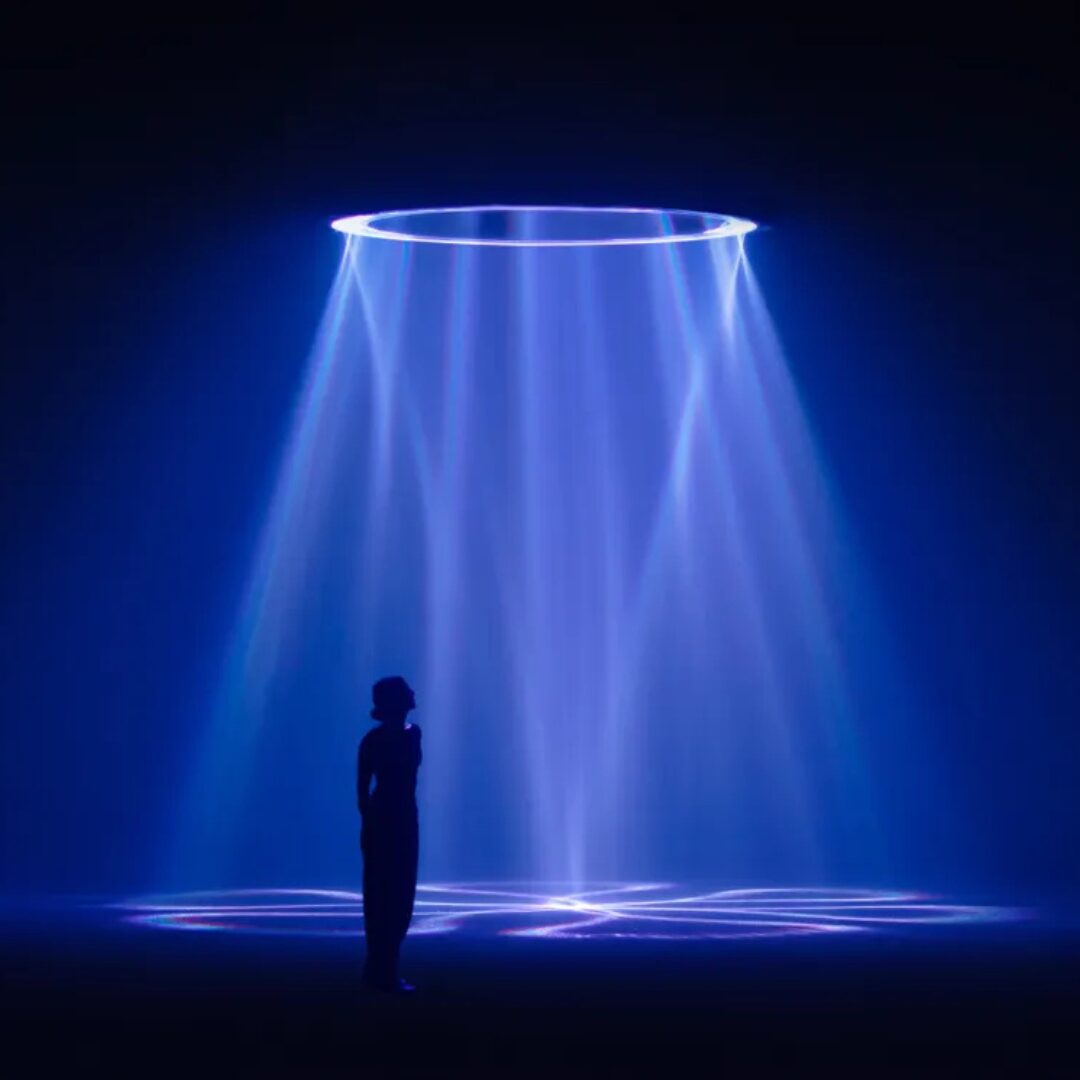
Google presents “Making the Invisible Visible”, an installation exploring light, data, and perception through highly conceptual and visually striking environments.
Kohler x Flamingo Estate creates a lush, sensory experience where scent, texture, and atmosphere are carefully orchestrated to feel almost cinematic.
Moooi builds hyper-styled, surreal interiors that are emotionally charged and visually intense.
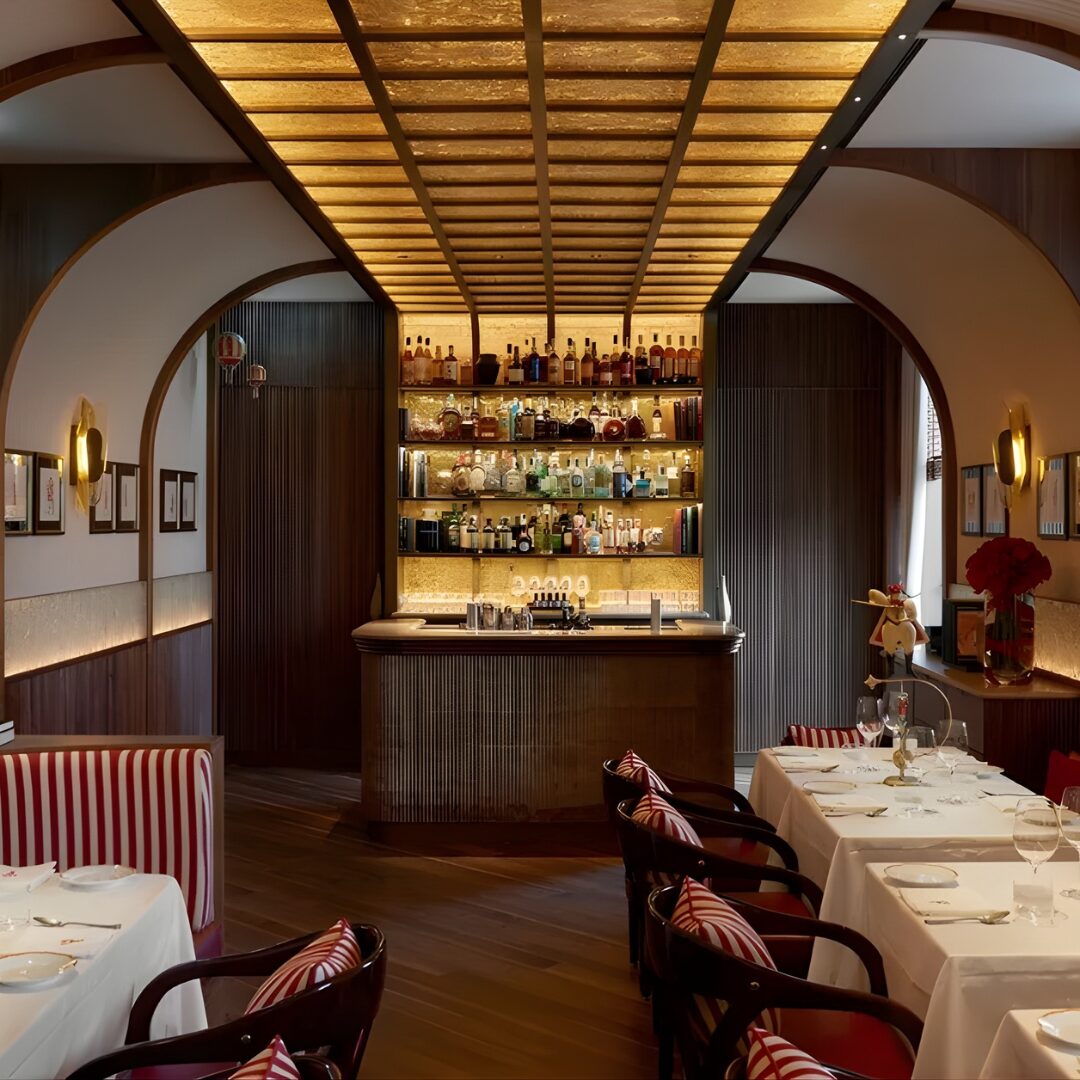
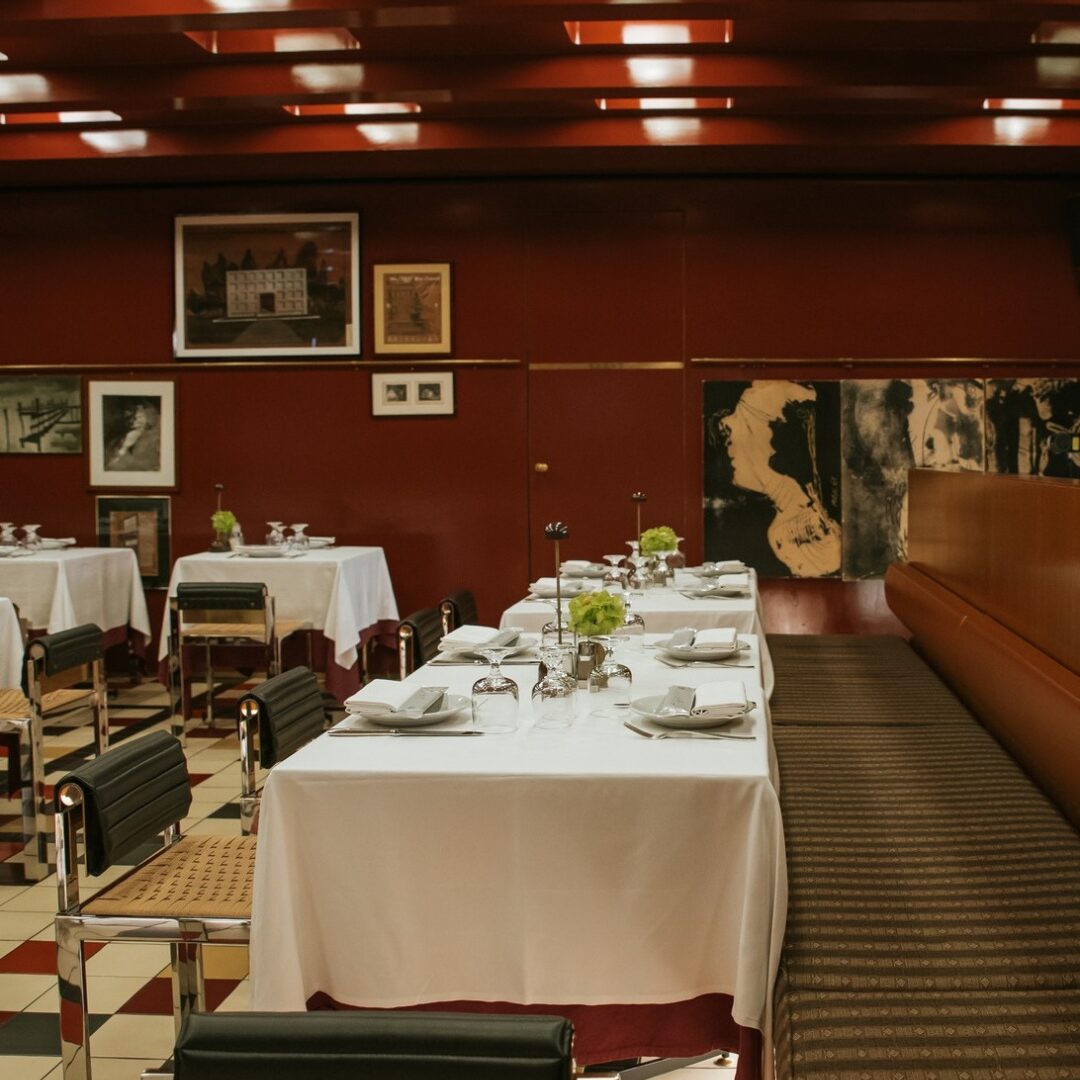
Dinner at Trattoria del Ciumbia, a vibrant spot offering traditional Milanese dishes in a richly decorated, character-filled setting.
Everything here is designed to be experienced rather than observed, with a strong emphasis on scale, impact, and immersion.
Day 5 – 5VIE + Historic Core
Layered, collectible, intellectual
The final day slows the pace, shifting toward a more nuanced and layered experience where design and history intersect.
Palazzo Citterio offers a refined and quiet architectural environment, with a focus on spatial balance and proportion.
Torre Velasca, The exhibitions inside create this contrast against the building’s strong identity. It’s that tension between past and present that makes it interesting.
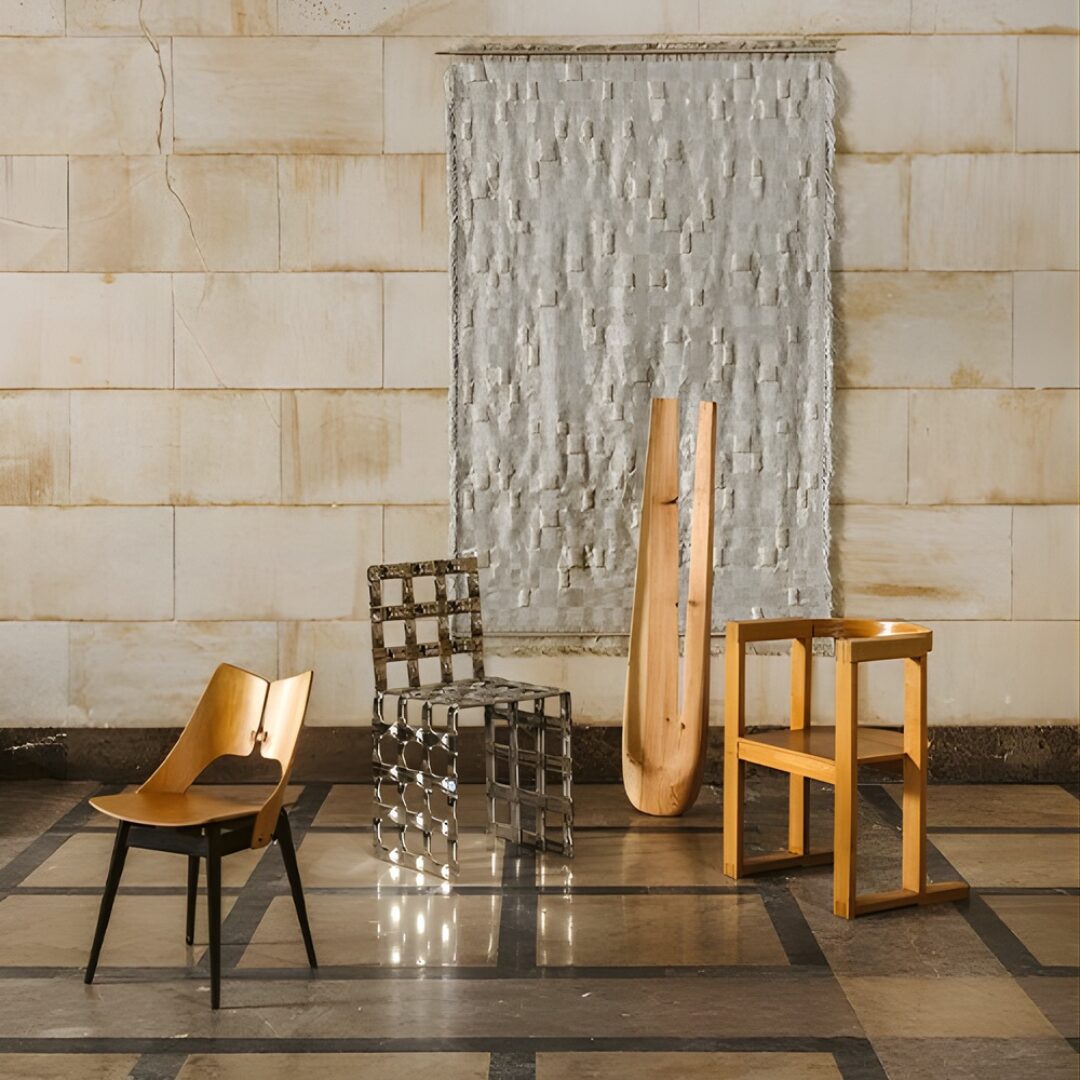
Across 5VIE It is always one of my favorite parts. It’s more intimate, less expected. You find smaller galleries, collectible pieces, and emerging designers that feel a bit more raw and personal.
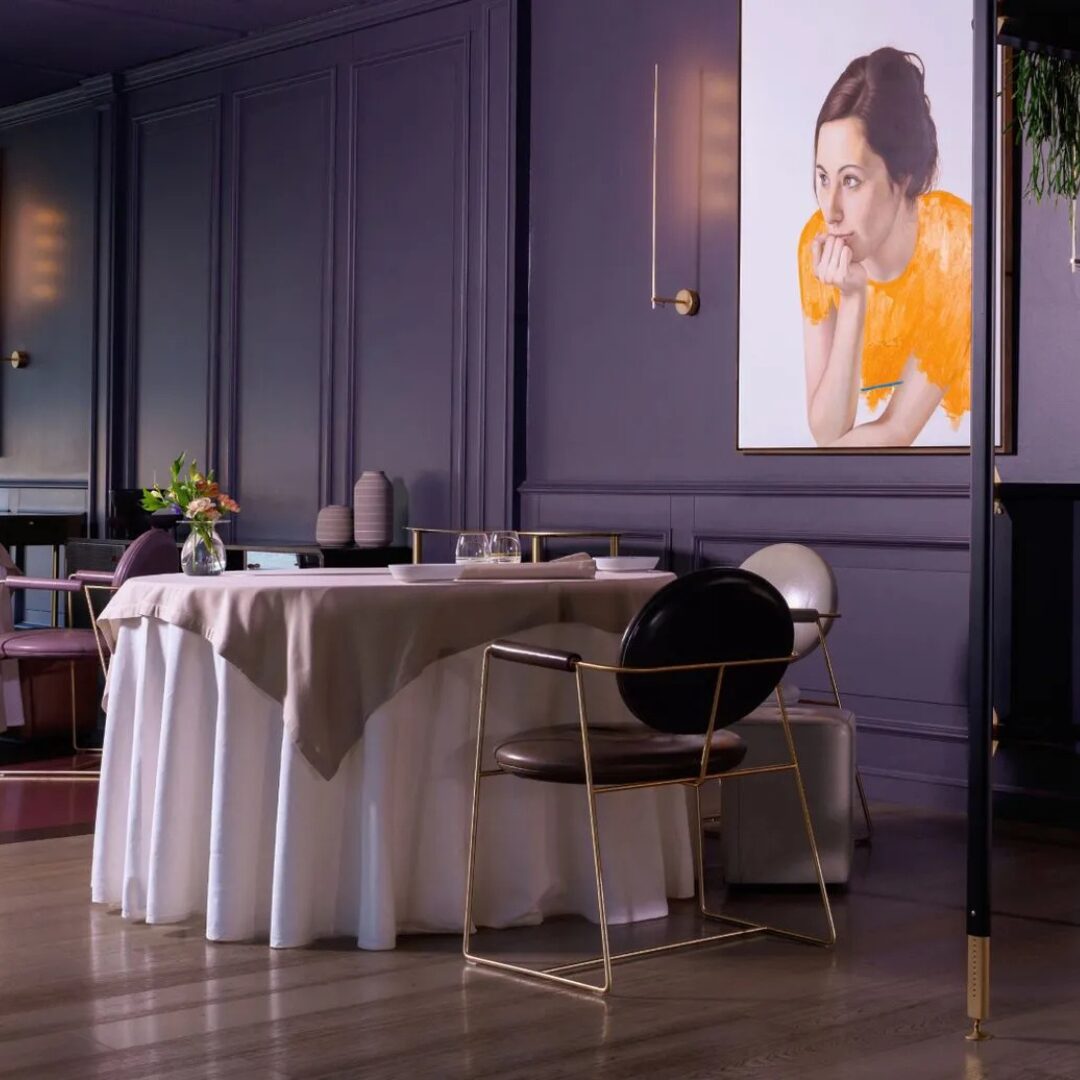
Dinner at Enrico Bartolini al Mudec, which is always an experience in itself. The food, the pacing, the attention to detail, everything feels curated but effortless.
This is a more reflective moment in the week, where depth replaces scale and discovery happens in subtler ways.
Night Layer
As the city shifts, so does the energy. What begins as a structured exploration of design dissolves into something more atmospheric, more instinctive. At night, Milan moves away from exhibitions and into rhythm. Conversations, sound, light, and the kind of spaces where creative worlds overlap more naturally.
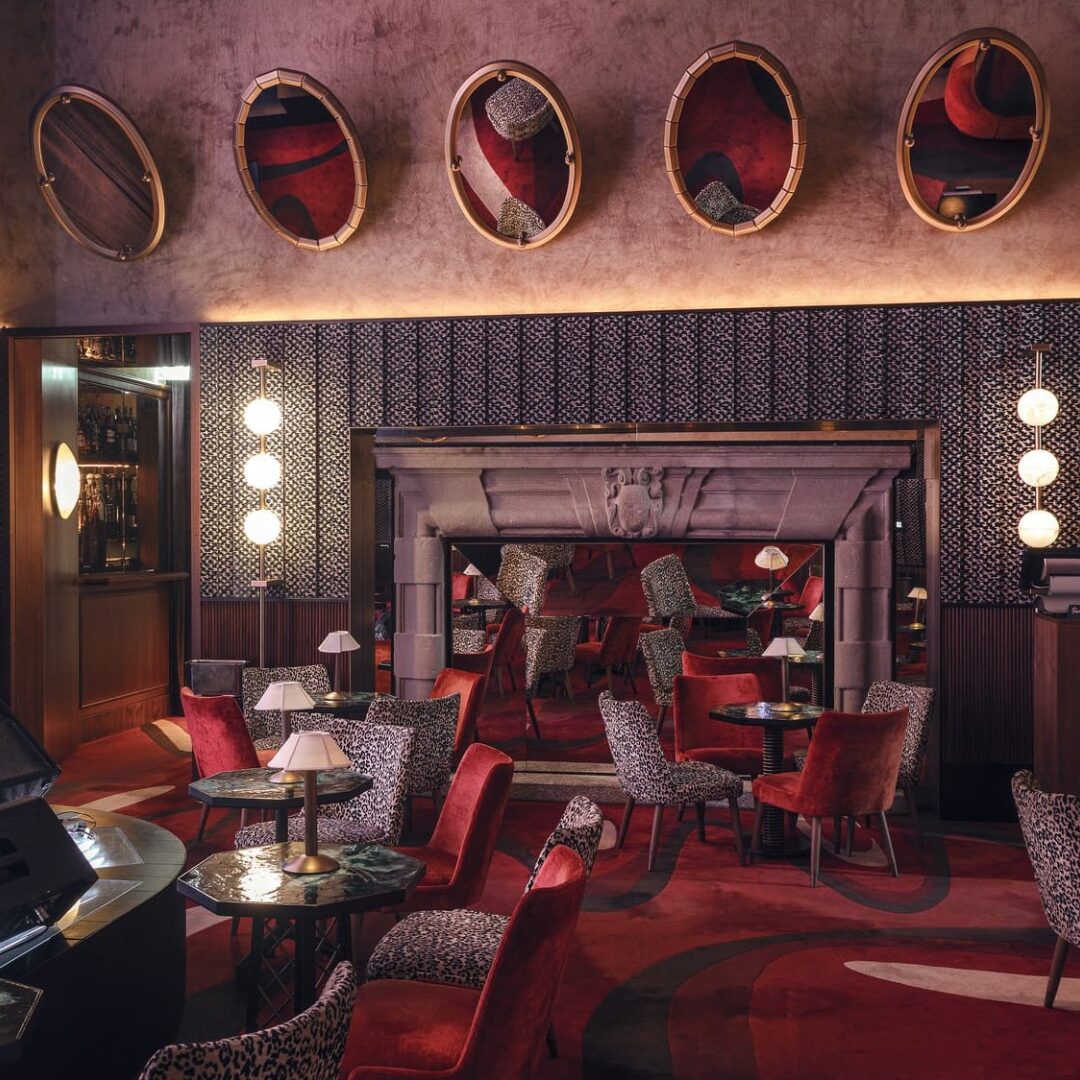
Bar Basso remains an essential stop. Effortless, iconic, and always full of familiar faces during the week.
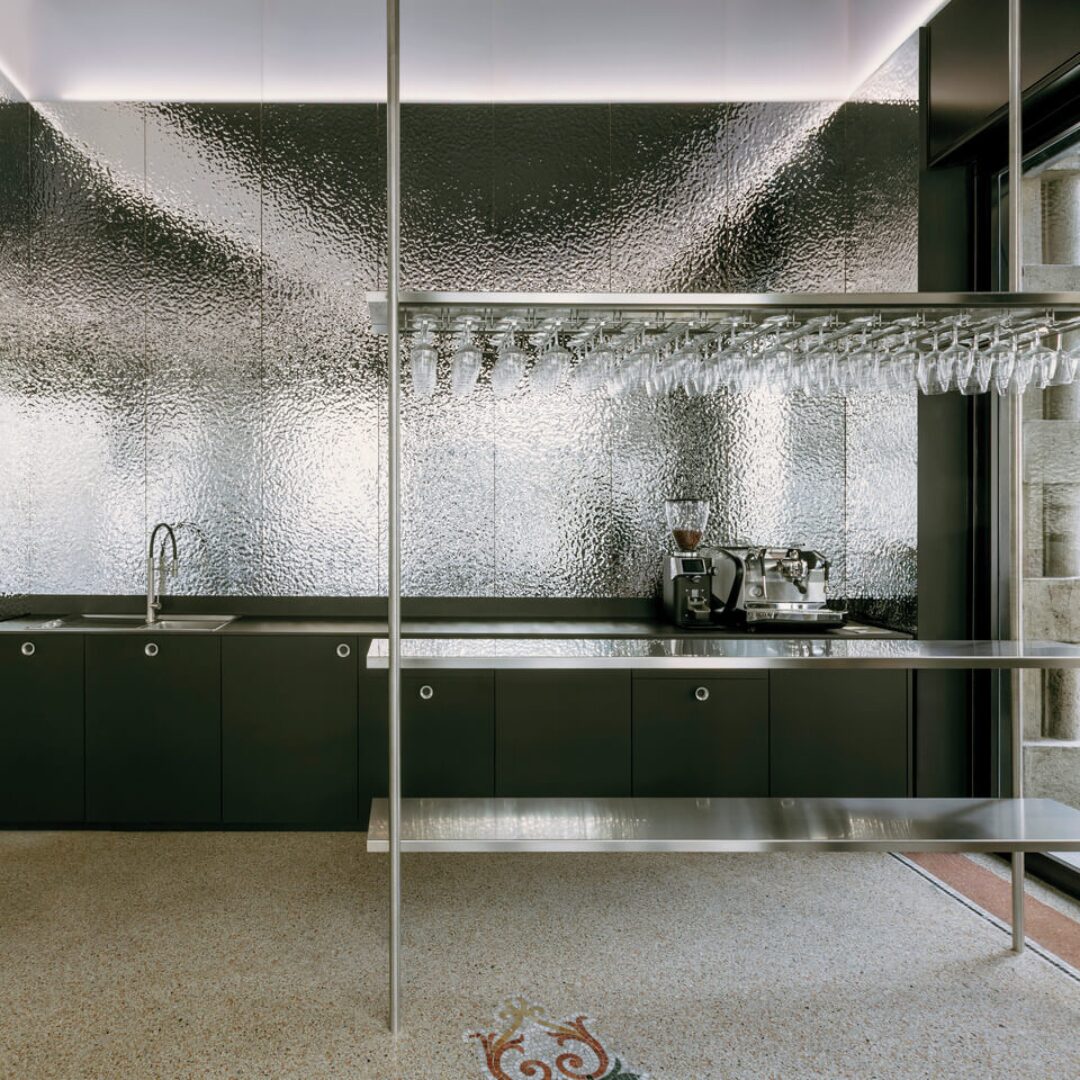
ERIS introduces a hybrid energy. A dual-purpose space combining a bar for specialty coffee and curated wines with rotating pop-ups by brands and designers.
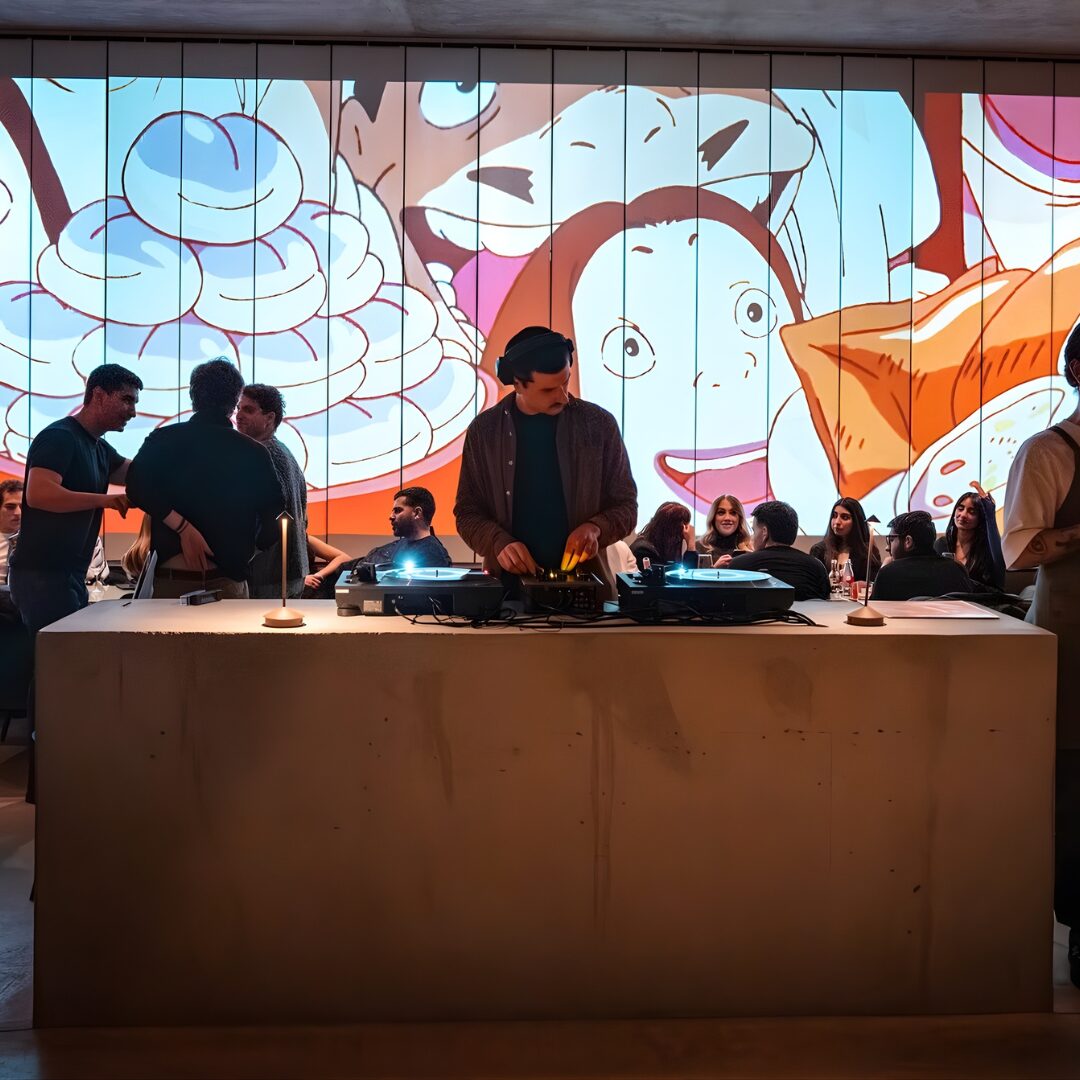
At Lubna, the atmosphere shifts into something more layered. Dining, music, and spatial design merge into a single experience.
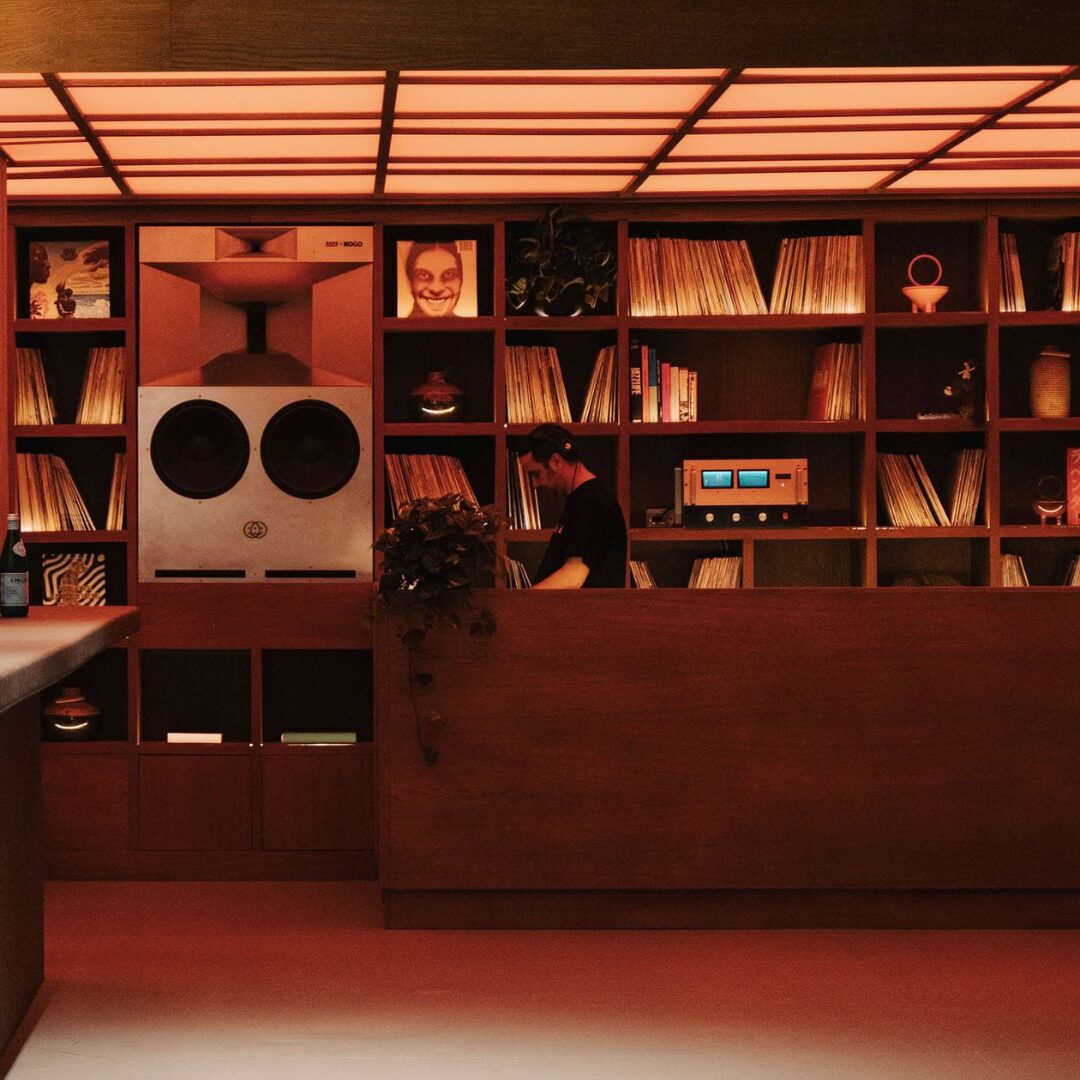
Rumore and MOGO move between intimate and energetic. Less defined, more fluid. The kind of places you arrive without a strict plan and stay longer than expected.
This is where the structure of the day softens. Where the week becomes less about seeing and more about feeling.
Milan Design Week is not defined by how much you see, but by how intentionally you move through it. In a city layered with design, architecture, and cultural noise, clarity becomes the most valuable filter. What stays with you is rarely the most obvious, but the moments that were experienced with attention, rhythm, and restraint.