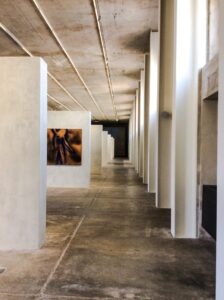
In the world of luxury design, well-being is no longer considered an added layer. It has become a fundamental principle shaping how spaces are conceived. Today, interiors are curated with the same intention as a wellness ritual: to nurture the mind, restore balance, and elevate the way we live day to day.
Design for well-being goes beyond aesthetics. It involves spatial intelligence, sensory awareness, and a thoughtful curation of light, materials, and atmosphere, all working together to support a life of clarity, presence, and elevated comfort.
Below, we explore the design principles that transform interiors into environments of genuine well-being.

1. Spatial Flow that Calms the Mind
A space’s architectural flow directly influences how we feel within it. Clear pathways, intuitive layouts, and generous breathing room reduce visual and mental noise, allowing the mind to settle.
Well-being focused interiors prioritize circulation, negative space, and a seamless dialogue between rooms. When movement feels natural and unforced, the body relaxes and so does the mind.

2. Light as a Daily Rhythm Setter
Lighting has the power to shape mood, energy levels, and emotional balance. Thoughtful layering of natural and artificial light supports the body’s natural rhythm and enhances well-being.
• Soft daylight for clarity and focus
• Warm ambient light to unwind
• Accent lighting to create atmosphere and visual harmony
When curated with intention, lighting becomes a subtle form of daily therapy that guides the transition from active hours to restorative ones


3. Materiality that Engages the Senses
Textures, natural materials, and tactile contrasts ground a space in sensory richness. Stone, wood, linen, wool, clay, and handcrafted finishes introduce an organic energy that connects us back to nature, an essential element of mental well-being.
These materials offer more than visual beauty. They create feeling. Their tactile presence encourages slower living, grounding rituals, and a more conscious interaction with the home.


4. A Balanced Palette for Emotional Harmony
Color psychology has long been part of interior design, but in luxury wellness oriented spaces, palettes are treated with deeper intention. Soft neutrals, mineral inspired tones, and earthy pigments foster serenity and create a calming backdrop for daily life.
Rather than overwhelm the senses, color should gently hold space, allowing artworks, natural textures, light, and shadows to speak with subtlety.


5. Spaces that Support Daily Rituals
Well-being is cultivated through habits, and interiors can either support or interrupt these rituals. Dedicated spaces for pause, restoration, and self-care are becoming essential components of modern luxury living.
Whether it is a reading corner that encourages stillness, a spa-like bathroom retreat, or a kitchen designed for mindful cooking, interiors that honor personal rituals elevate lifestyle and mental clarity.


Design for well-being is thoughtful, quiet, and deeply intentional. It asks a simple question: How should this space make someone feel? The answer becomes the foundation for every choice, from architecture and flow to the smallest textural detail.
As we continue curating spaces that harmonize luxury with inner ease, well-being becomes not just a design philosophy but a way of living.